The 5 Questions
To help guide our understanding of the exhibition, Andreas shared with us 5 guiding questions to help our
reflection process.
Q1: How is the exhibition curated and designed? What story is it telling?
The exhibition is curated with projects that reimagines the future, presented in a manner which counters the
common portrayals of a dystopian future by offering a more hopeful perspective. It tells the story of how the
future will look, mediated with technology but yet embraces the heritage and culture that the projects are
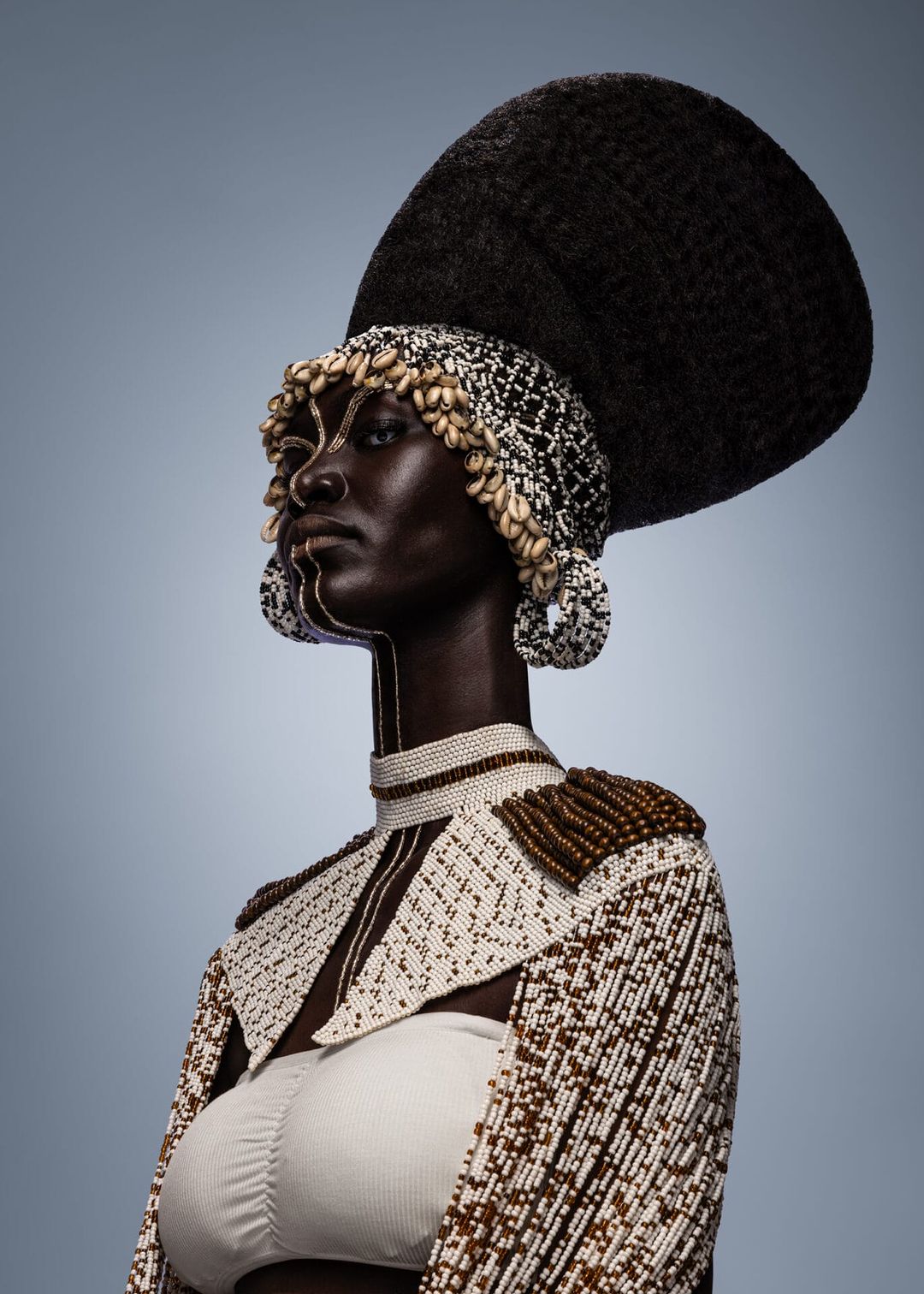
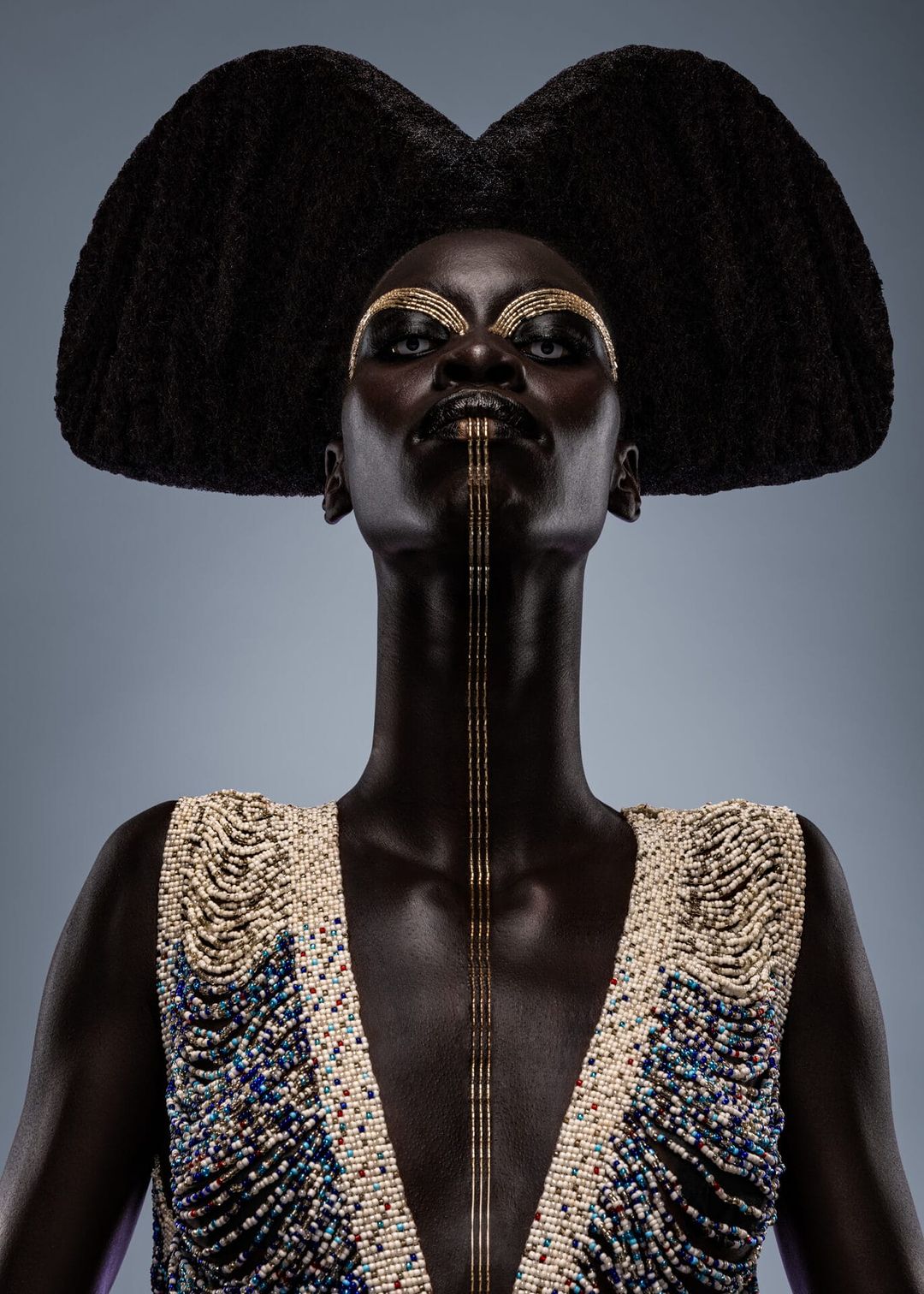
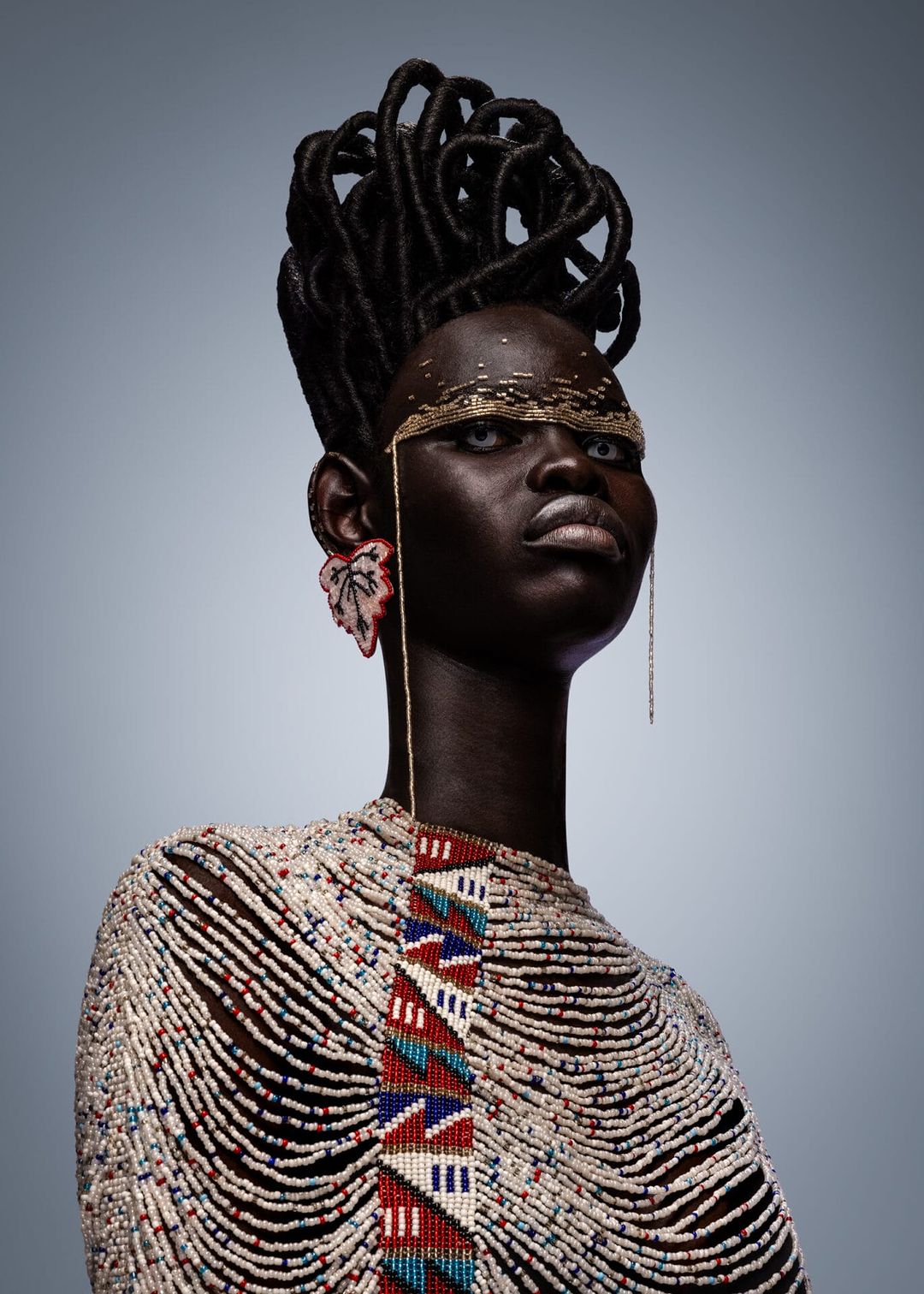
designed for. The project titled "People of the Rift" by Osborne Macharia is one example, where it explores
how African beadwork merges with futuristic aesthetics to craft a new form of cultural expression.
PAUSE.
Let's talk about People of the Rifts
Before I continue with the 5 questions, I got to stop to share my thoughts son People of the Rift because its
one of my top favourite projects in this exhibition.
What did I like about it?
Firstly, I love the concept that is grounded upon, which is this speculative and alternate world where men and
women from African culture grow to be powerful figures (I.E Seers, Guardians), but still are deeply connected
to their African heritage. This project's Futurism is not about fancy technology, but more about how the
African people advance in their capabilities, as seen from their detailed and advance beadworks. It is this
slight
tweak in focus in their approach towards Futurism and the respect towards African culture that really makes me
love this project so much. Secondly, as a avid photography fan I love the job that Osborne has done. The
lighting, direction of poses and styling is near pefect. The lower angle shot amplifies their perceived aura
and the editing just makes everything so clean and sharp. There is this sense of awe and even fear when you
look at these images!
What did I learn and how do I apply it?
This project demonstrated to me that work grounded in cultural context can create deep meaning for both
audiences and the communities being represented. I also observed the amount of research involved to ensure
that the portrayal of African tapestry and beadwork remained authentic, which highlighted the importance of
truly understanding one’s subject and target audience. This reminds me that in my own design practice, drawing
from cultural contexts can be a powerful and meaningful approach, but it must always be done with adequate
research, sensitivity, and respect.
Q2: What are the design decisions that you notice in this exhibition?
The first thing I noticed was the choice to include works from artists/designers from different disciplines
(I.E Film, Fashion, Game Design). I feel that this was done to not only allow the exhibitons to be catered
towards a larger target audience, but also to show different perspectives and approaches of how people
approach futurism. The projects also ranges across different cultures and topics. Some projects talk about
South East Asian while some discusses about how we combat the climate crisis. It really feels like a
expansive
take on how the future will look like across the board.
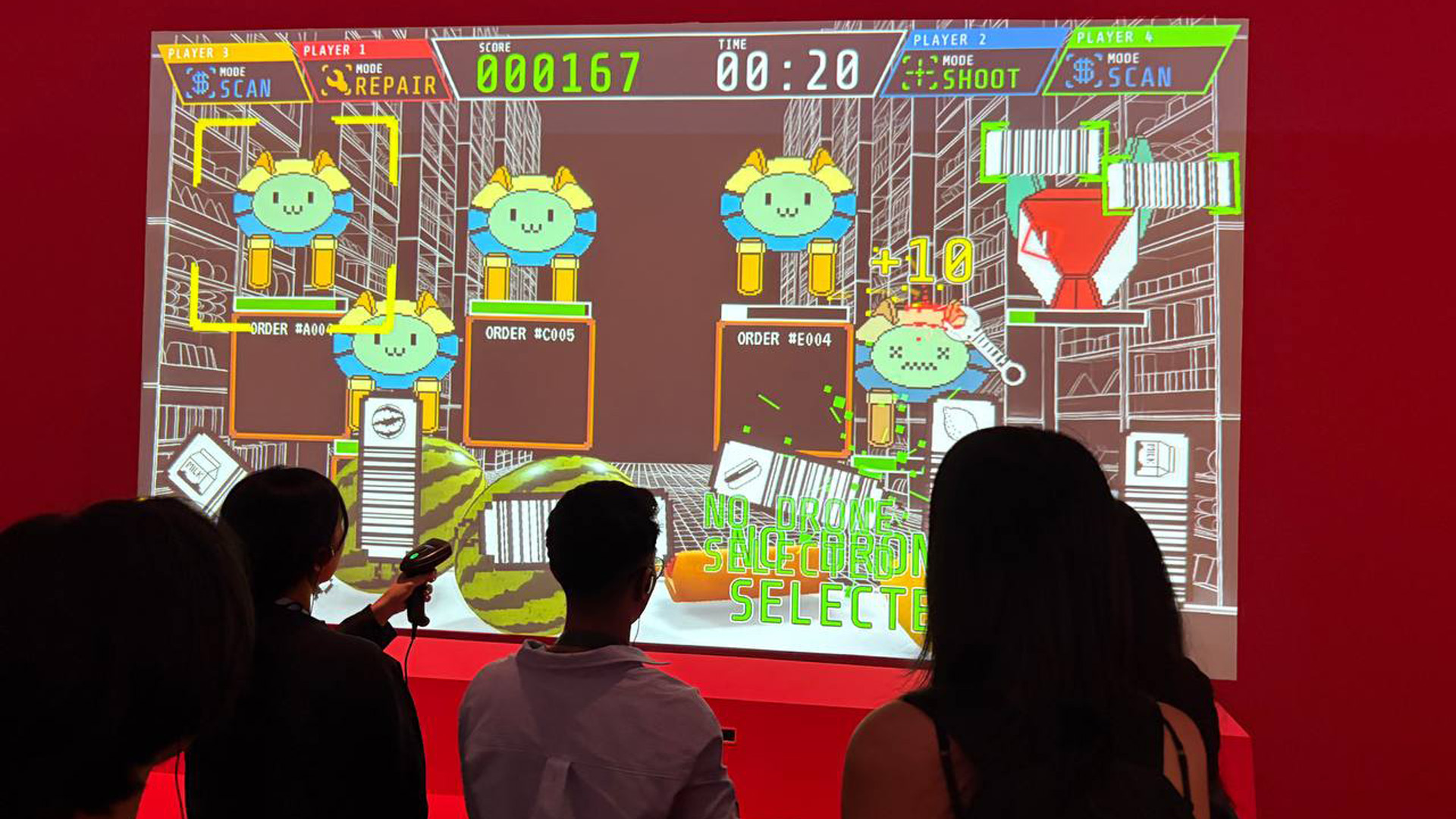
My peers playing BARC.
Q3: What are some of the outstanding artefacts for you? Why?
Oops looks like I jumped the gun when I talked about People of the Rift, but another project that I really
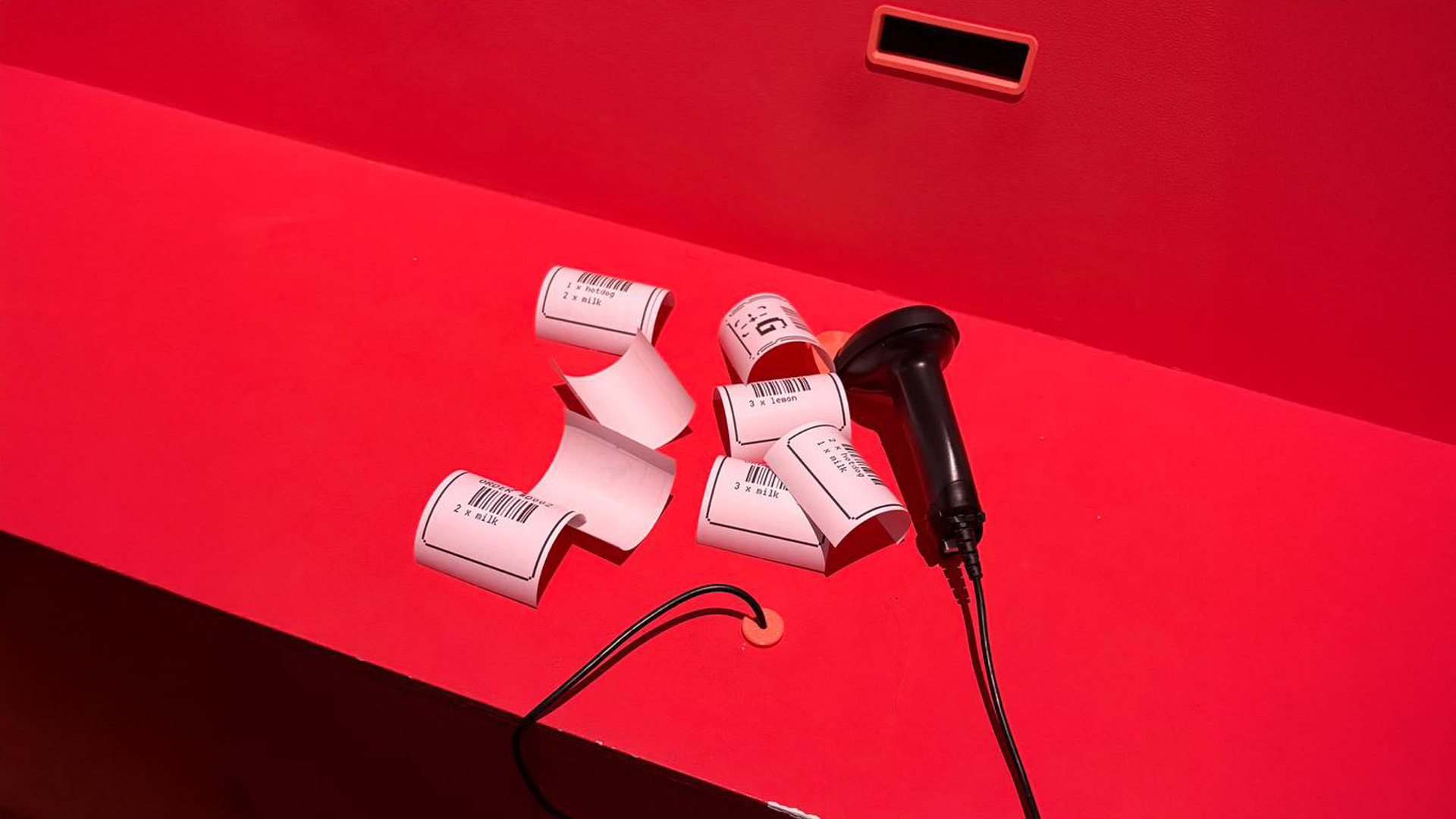
liked was BARC, a project that I feel is a great example of a Multisensory Interface. BARC is a 4 player
competitive arcade-shooter like game where instead of guns, participants use barcode scanners and roleplay as
warehouse assistants. Other than "Shooting" at on screen objectives, they must also scan physical receipts
that are printed in real time, making it a exciting rush to clear the game.
Great example of a Multisensory Interface
I think that the whole experiece had a solid and cohesive narrative - a warehouse worker rushing to get their
job done, juggling between different tasks of stocking drones and scanning physical receipts. The design
interventions also stay cohesive with the narrative, using barcode scanners as guns and printed receipts as
another manner of interaction. This example highlights to me the positives of aligning design interventions
with the context that it is grounded in. This helps with audience engagement and also their intuitive
understanding of the experience.
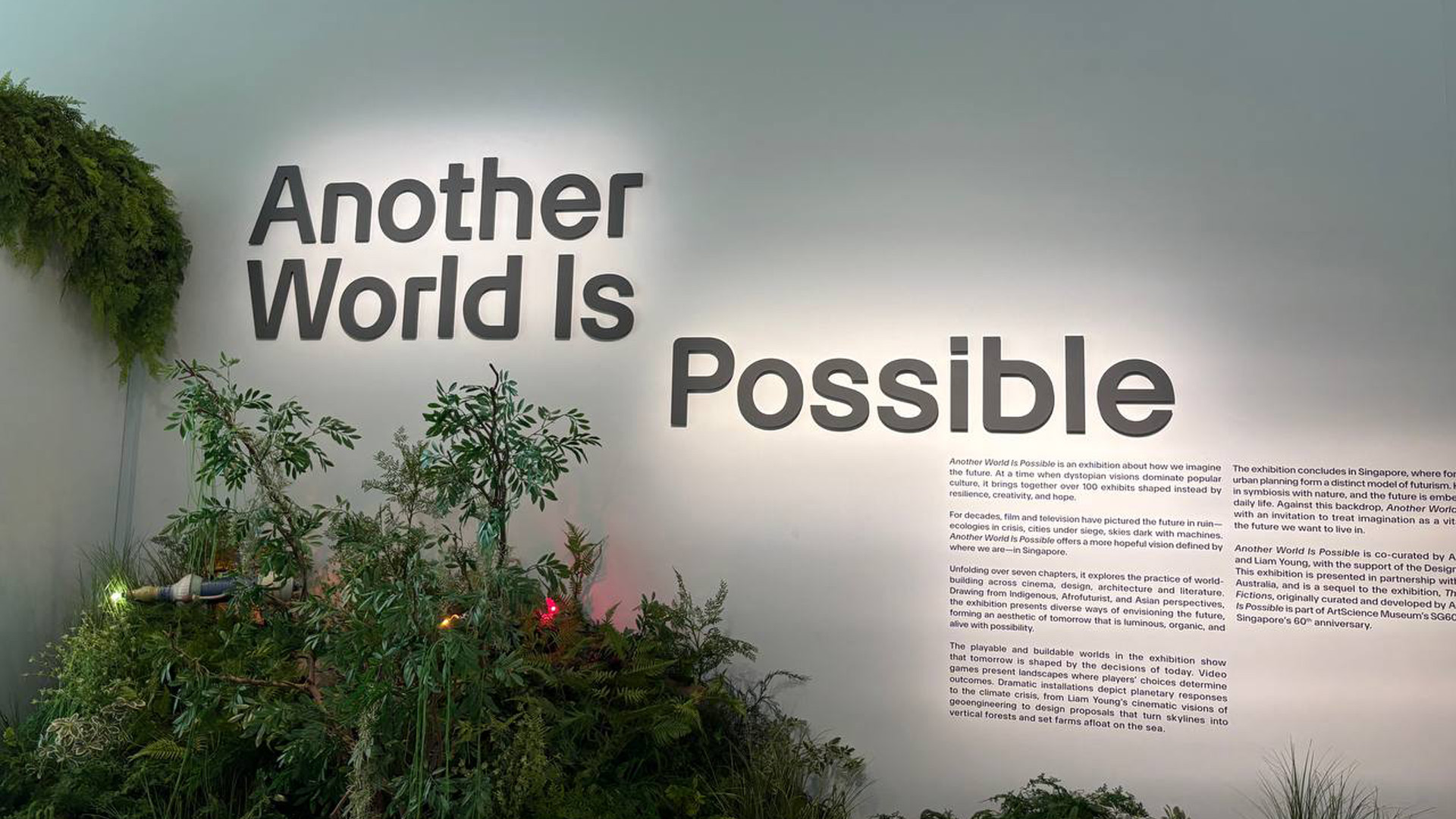
Entrance to Exhibition
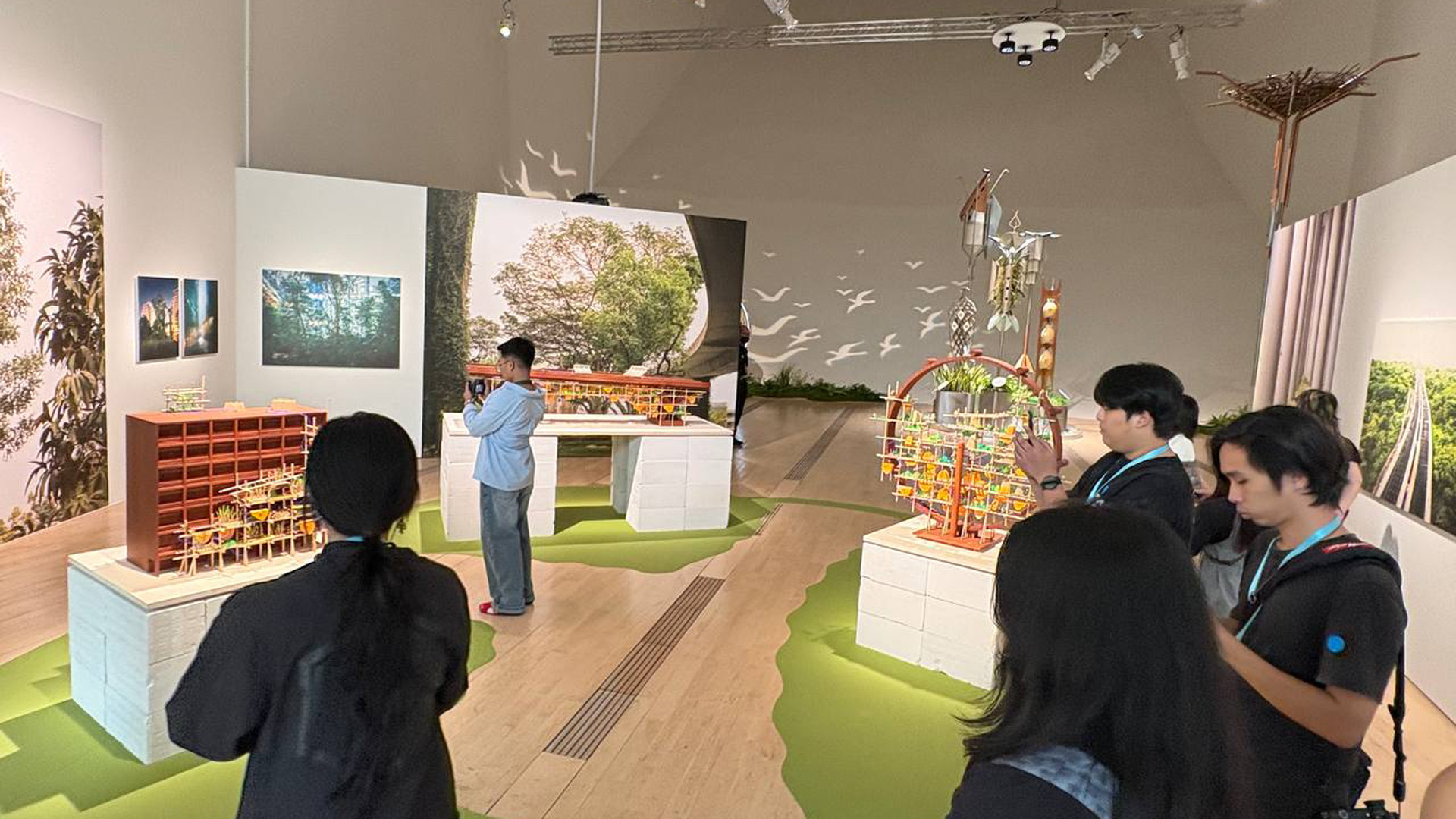
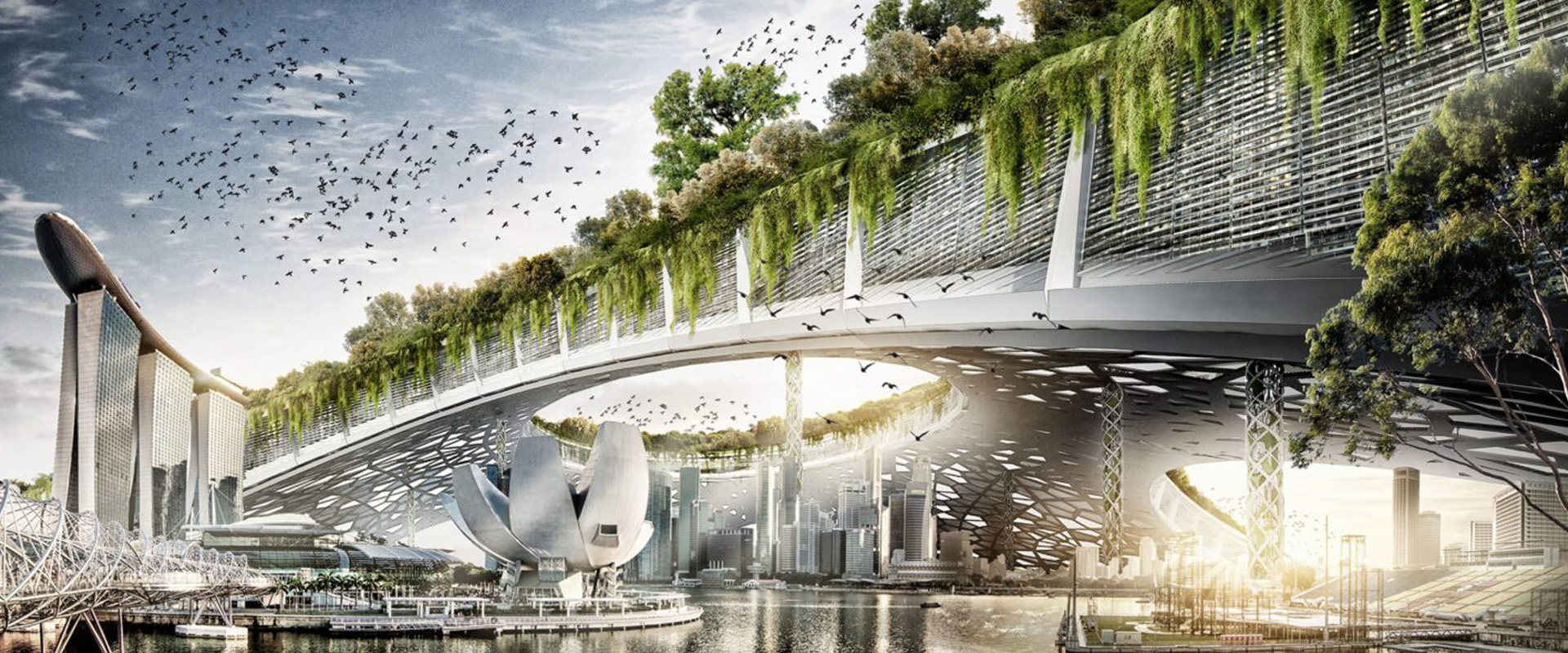
This Future Island City
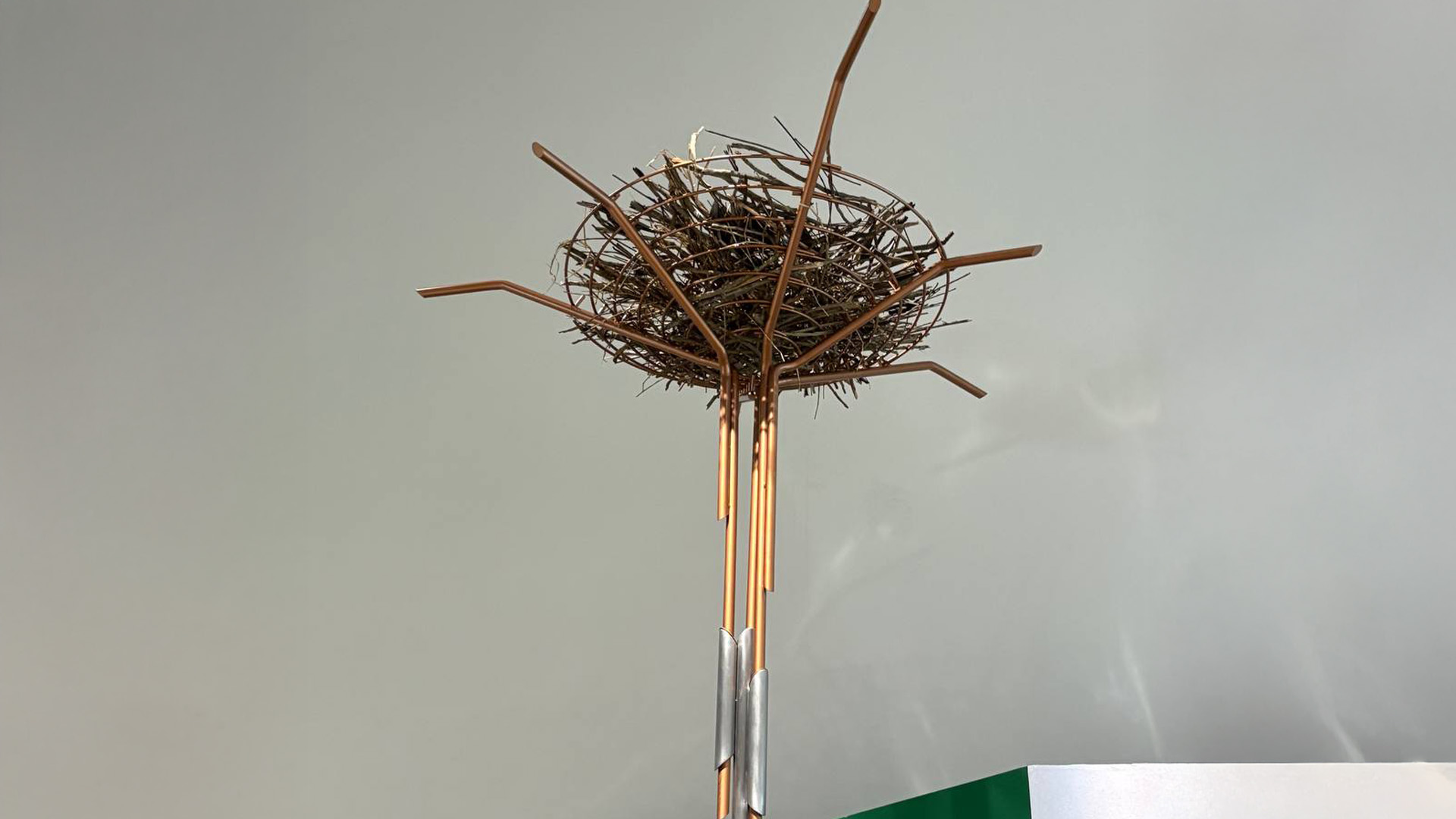
Totem for Eagles - Totems of Another World
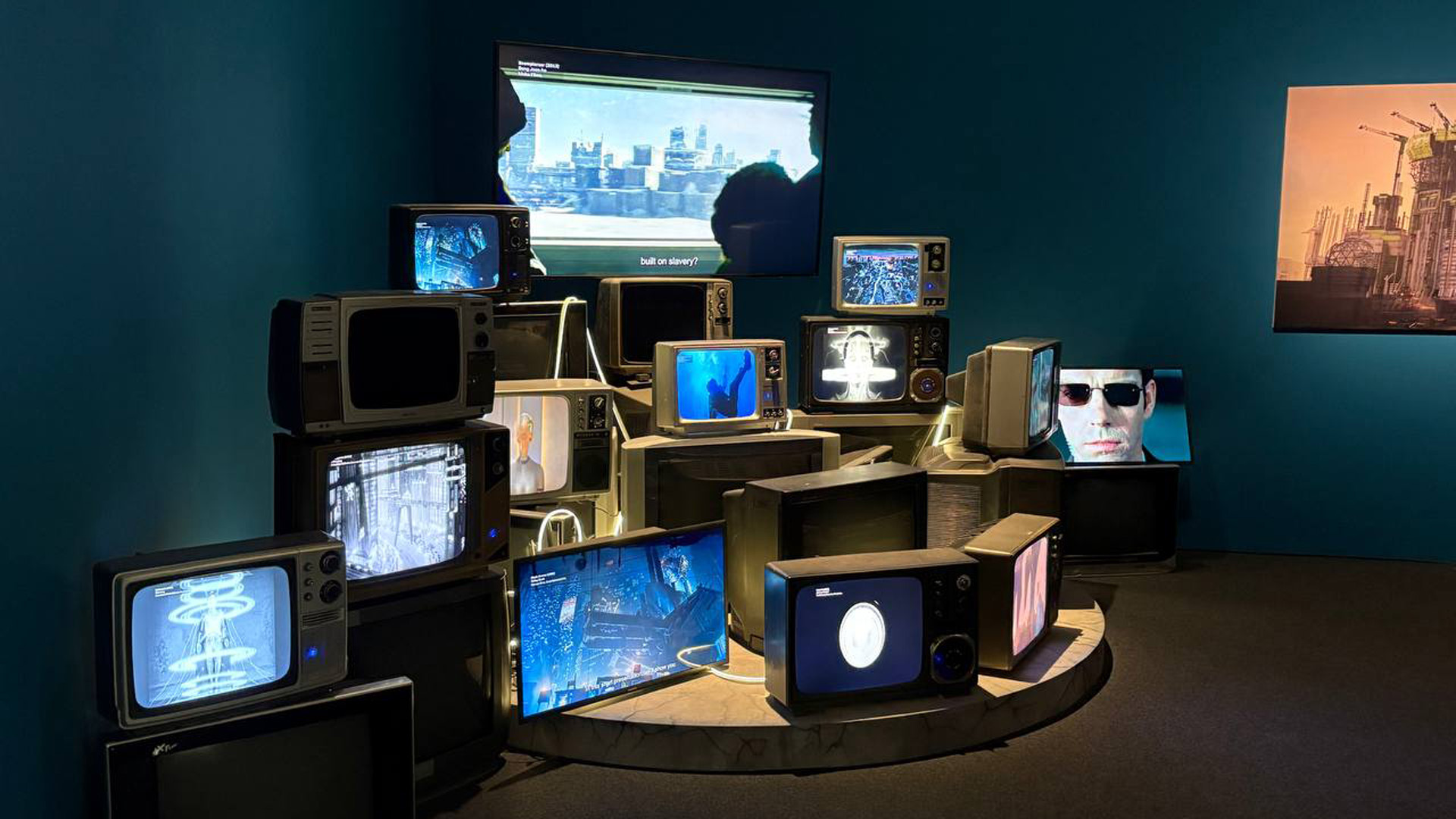
We are Authors of the End
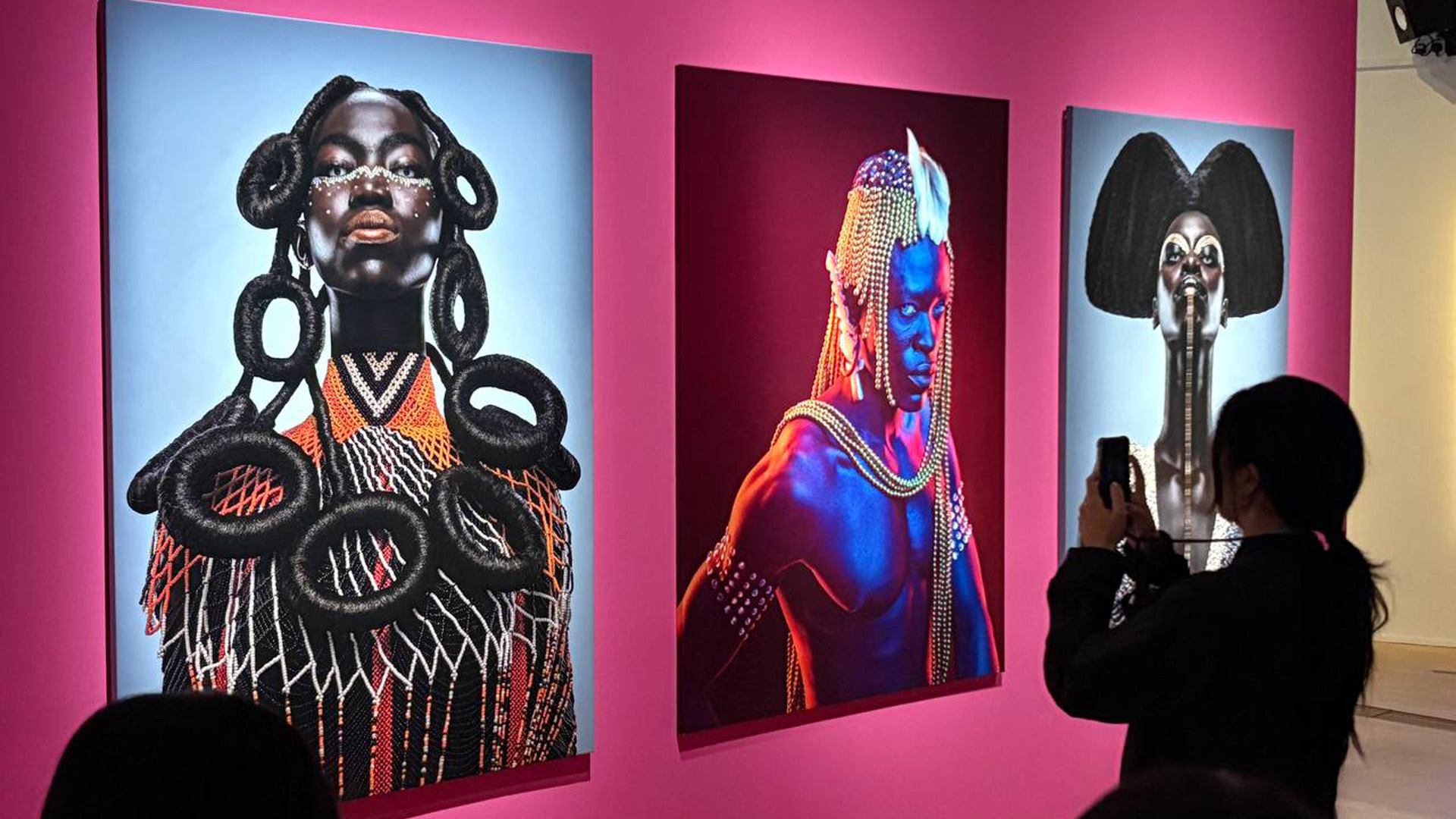
People of the Rift
Q4: What can be learned from the exhibition in relation to your own work?
Other than the learning points I mentioned above and looking at the exhibition as a whole, I would say that
the biggest learning point is about the importance of world-building (creating a narrative). Having a strong
narrative helps audiences to have a easier time understanding the experiences, as they can relate to its
social-cultural references. Having a strong story is not enough, the artwork/design must also align with the
context that it is grounded on to make sense and provide value (similiar to how People of the Rift does it).
Q5: The context of the exhibition is the future, how is the future portrayed?
In this exhibition, I noticed that the future is portrayed very differently from sci-fi movies (typically
dystopian, robots taking over the world etc). The future portrayal here seems hopeful, powerful and
intriguing. For example, the exhibition titled "This Future Island City" explores the future architectures
that can help Singapore prosper. There was a particular project within this exhibition called "Totem of
Another World", which explores "Totems" that serves as a resting place for native flying species in
Singapore, such as Eagles and Birds. While we might think technology might make it less habitable for the
wild life, this project counters it by creating futuristic architectures that helps protect their wellbeing.