THE BIG WRAP UP
The Final Week
With the pressures of submission setting in, I started to plan out what was left for my submissions and tackled them one by one, ranging from CPJ to catalogue of making. Somehow amongst the business, I managed to secure some time to attend a Projection Mapping Workshop over at Art x Tech Lab!
My Projection Workshop Outcome at Art x Tech Lab
I had the privilage to attend the workshop by Jules Roze, who is a digital artist from Montreal specilizing in Projection Art. The workshop was mostly attended by Beginners whom have not used TouchDesigner, something which I was surprised with. At the workshop, he gave us a introduction to some technicalities of Video Mapping.
Jules walked us through the process of using KantanMapper in TouchDesigner to map out the visuals for projection mapping. We practiced on a flat surface, mapping our visuals on a stack of cubes. It was a relatively simple process, I just had to use the shape tools in Kantan to draw out the mapping on the wall! I created a simple noise visual, animated with absTime.seconds and some CHOPs. People were actually impressed at it (probably because mostly beginners). They were even more surprised and impressed when I told them I learned these in school!
Jules highlighted the importance of considering the shape and characteristics of the surfaces that we
are projecting on. Some surfaces might be
I learnt that the Projector's position is basically the "camera" of the mapping. Thus, distance, lens type, angle and throw distance matter. He gave a very useful tip which is for us to place a camera at the location of where the projector will be at to gauge the perspective of the projector.
It is also important to consider constraints, such as where the project can be mounted, ambient light and color accuracy of the projector. All of these factors affects the projected outcome.
I think this was a key aspect of the workshop as well. There was this gentleman called Andy, who had experience working with projection mapping in the context for performance arts. It was inspiring to hear his approach towards his work and see his outcomes. I also met another lady who was working at a cultural music group, who seems interested in my work and is open for future opportunities for collab.
It is always very useful to learn another presentation method for the visuals that I create with touchdesigner. Using projection mapping can exted the possiblities of the outcomes I create. For example, in my context of Cultural Heritage, I can project on cultural objects and have visuals transform as they are interacted with. This allows me to transform any surface or object into a interface, a way for users to trigger the data in the computer!
It's Documentation Season
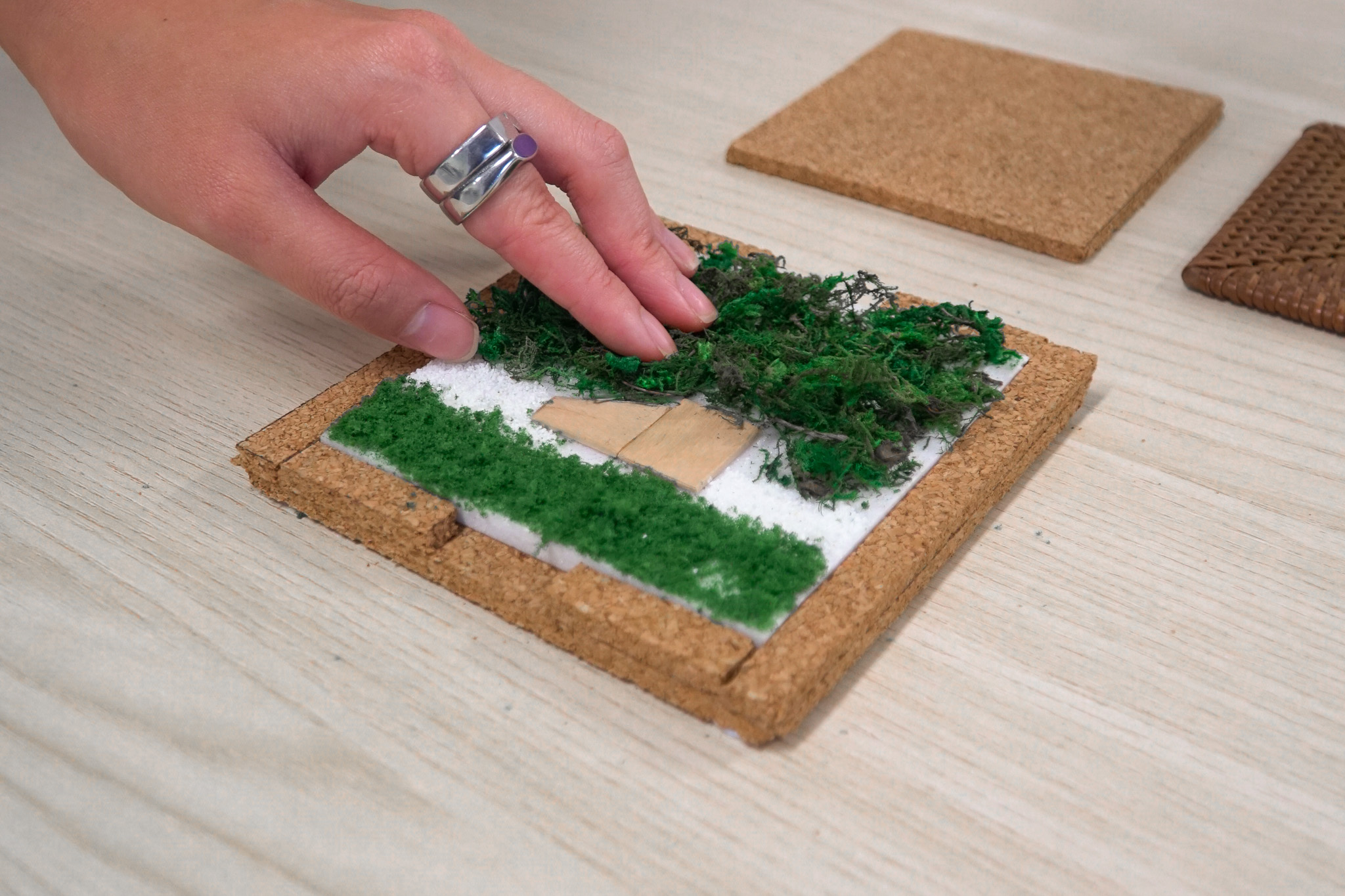
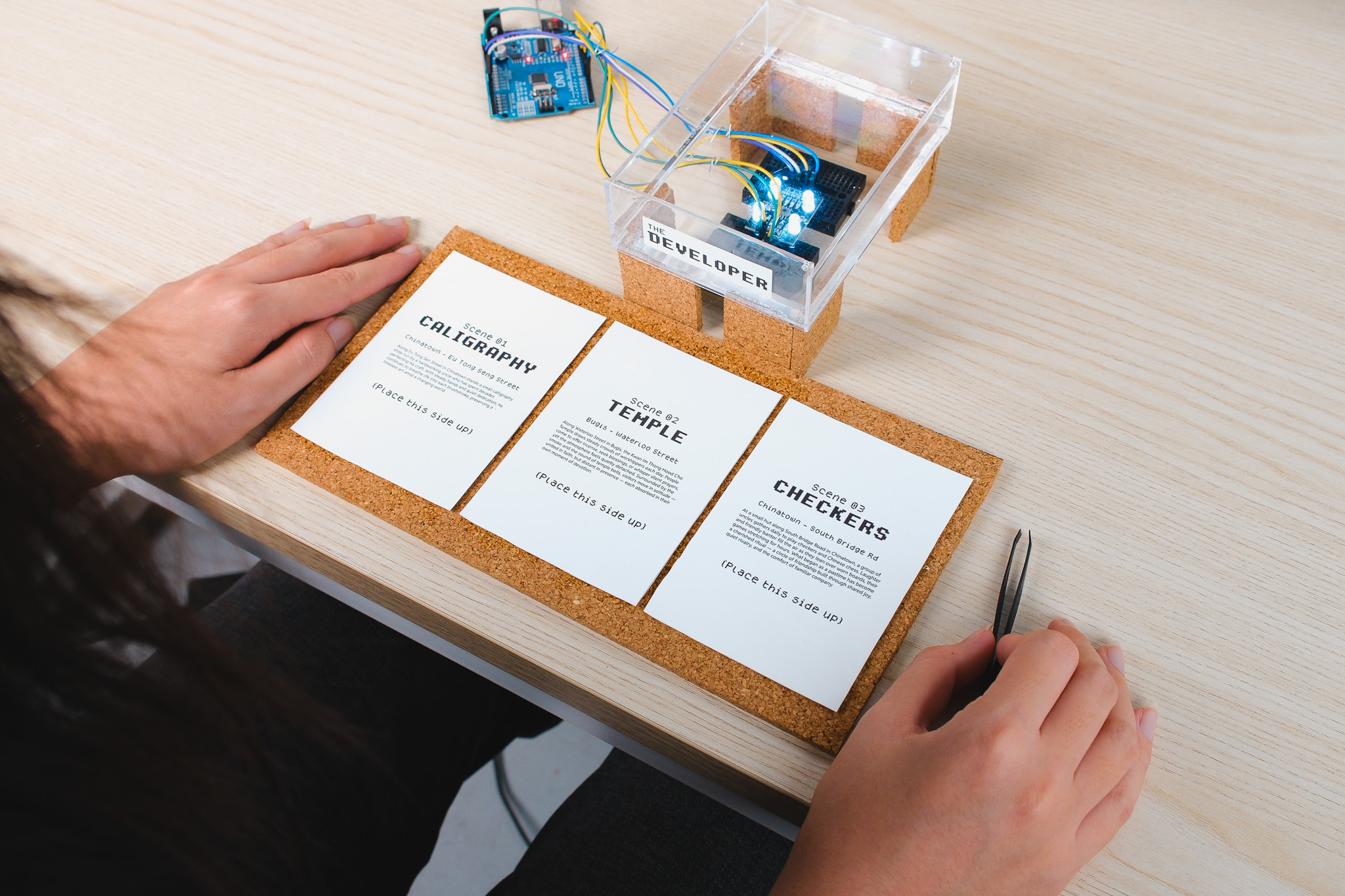
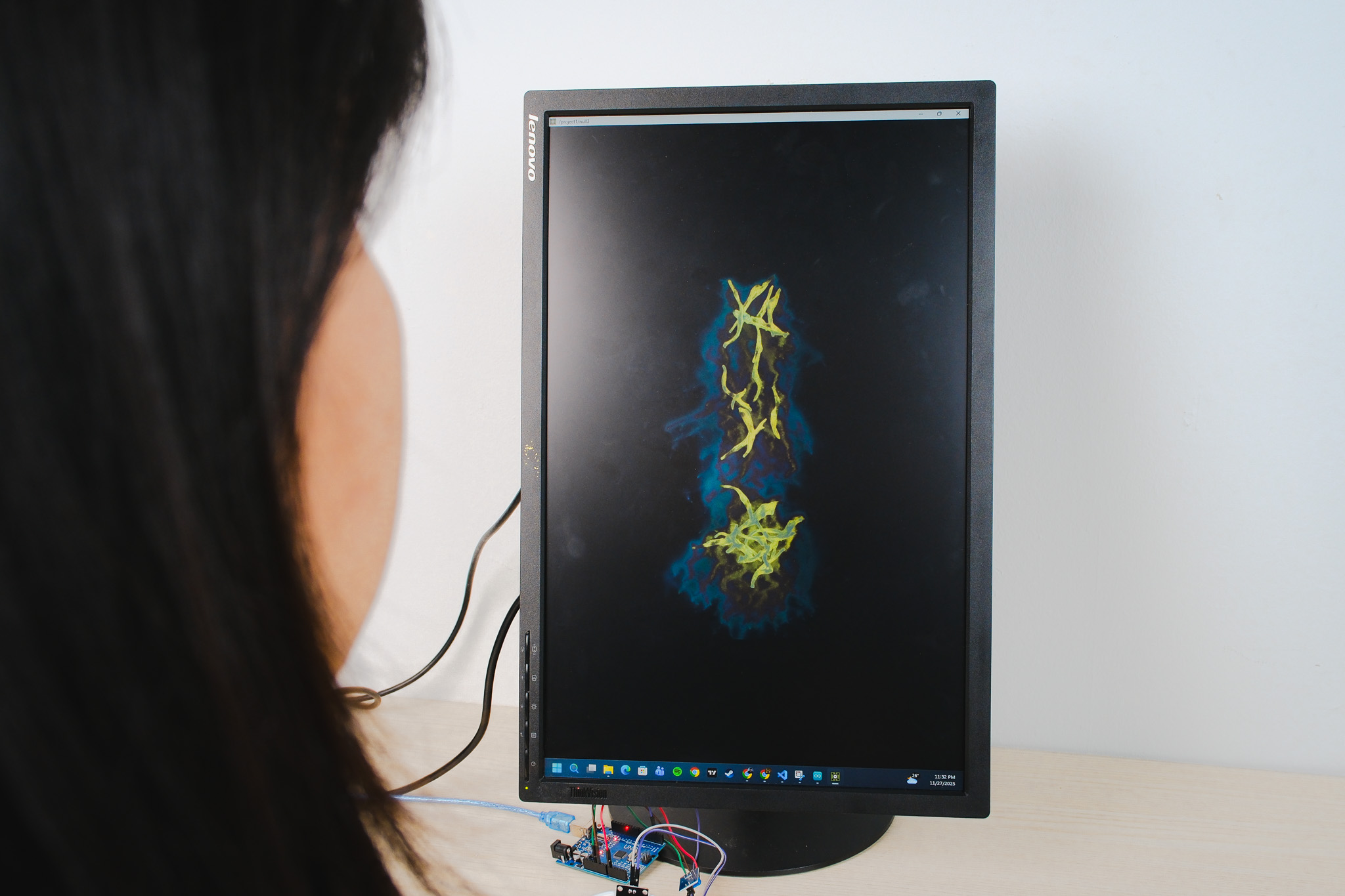
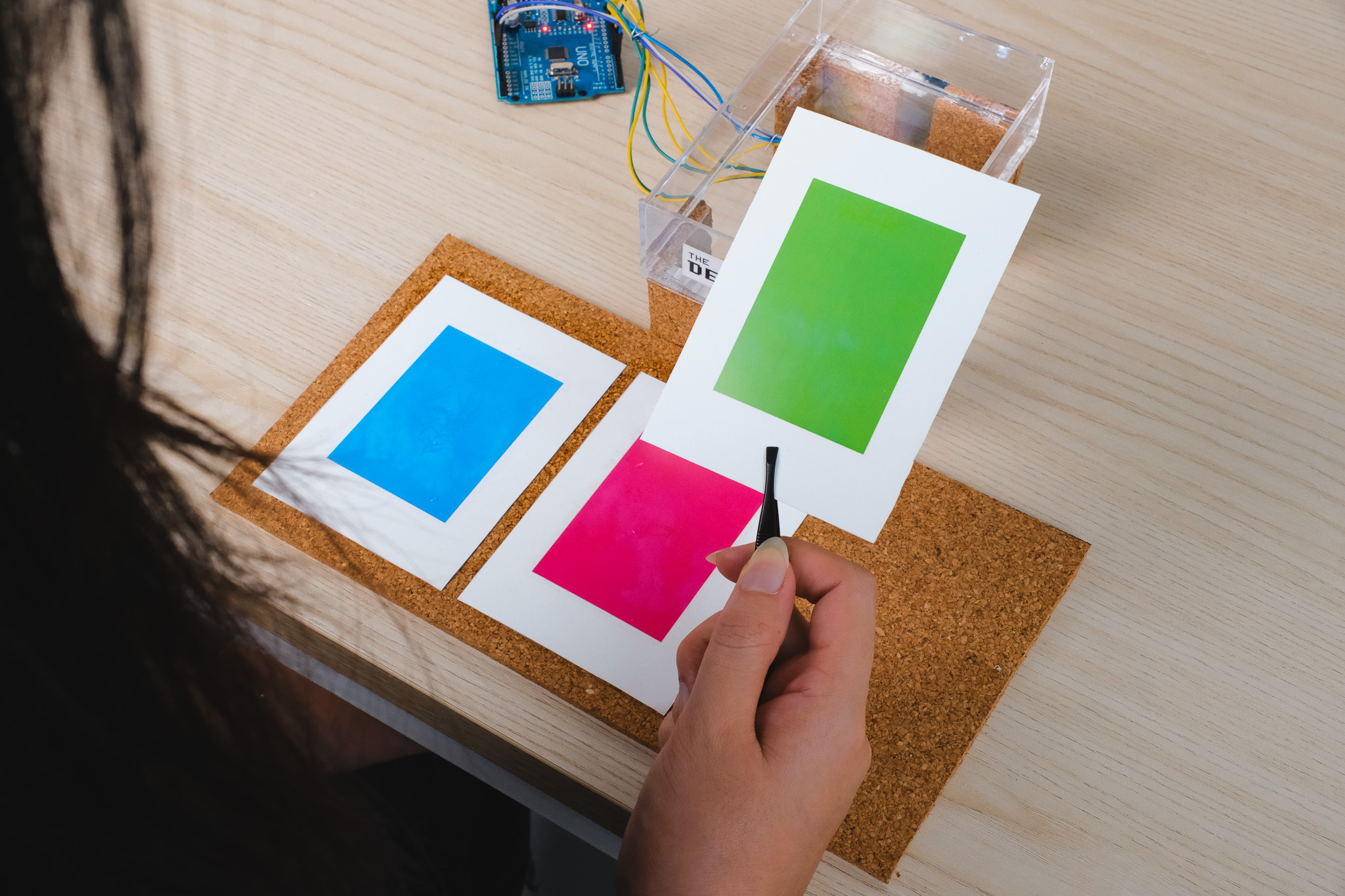
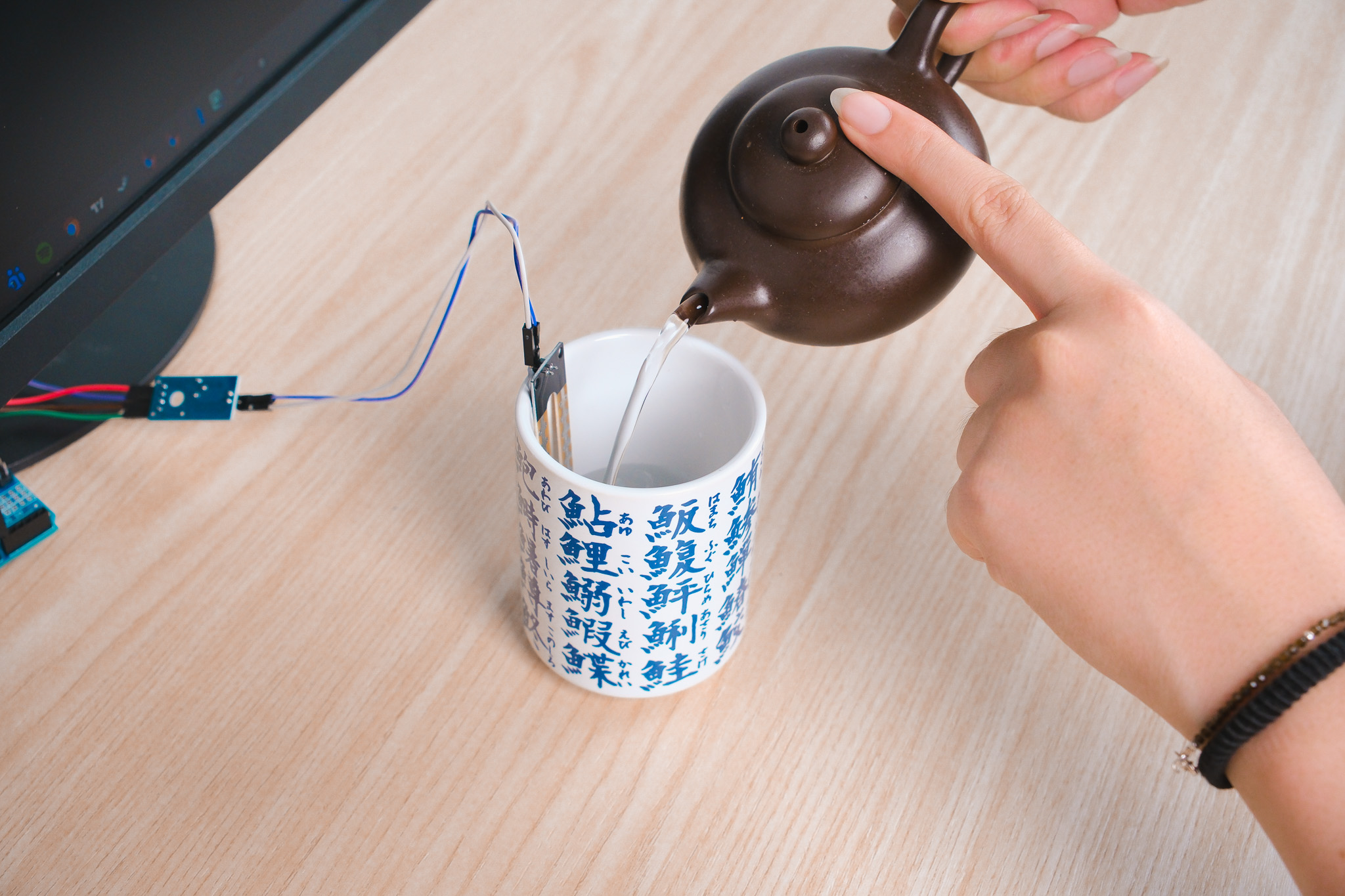
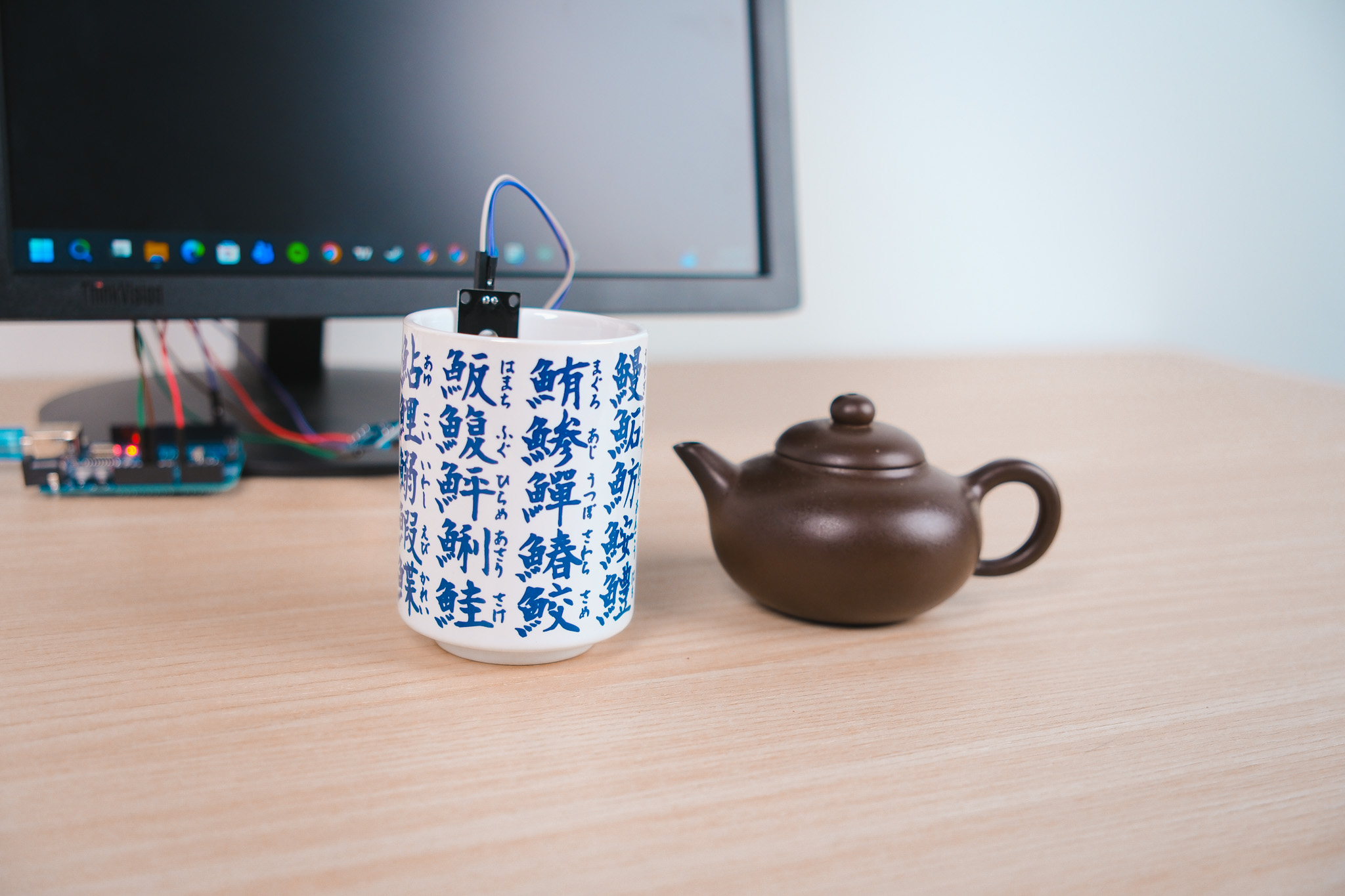
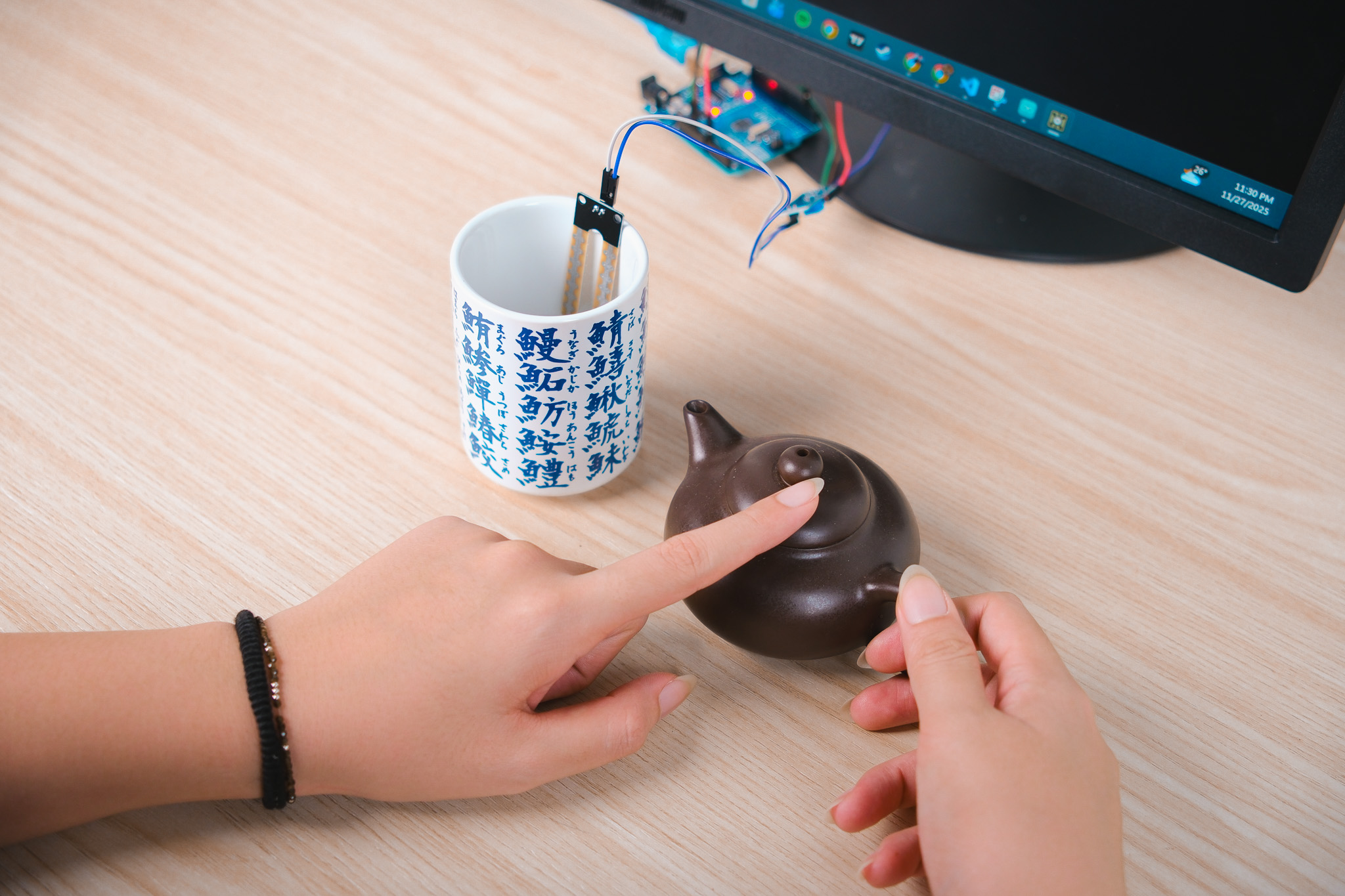
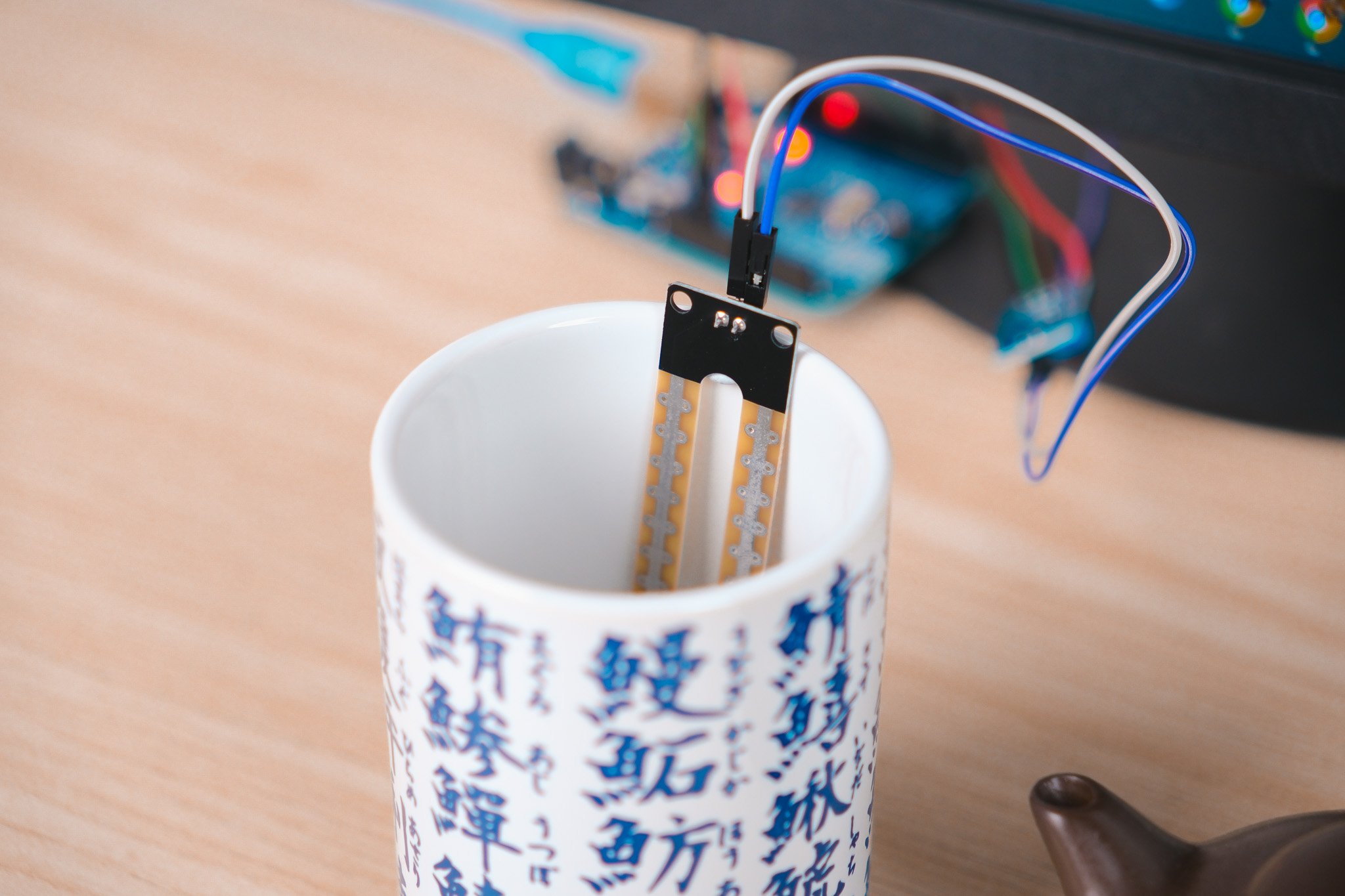
While I technically have been documenting my work and its processes, It was time to produce more polished documentation for the catalogue of making. My peers and I set up a studio space just within F301 and got to work. We took turns to share the space, applying what we learn from studio photography in Year 1 to good use. I also shot and edited some documentation videos, which can be viewed within my catalogue of making!
End of Semester 1 Reflections
Looking back at this semester, I am overall quite satisfied with what I have achieved. Below are the breakdown of the things that I enjoyed and some that I would wish to further improve on.
I enjoyed the outcome of my projects very much! Looking back at them, I felt that the most successful ones were those that had a solid context and interaction built behind them. For example, Experiment 6 - Cascade of the First Infusion had a narrative which I carefully and deliberated built, with interactions that aligns with the actual practice of the first infusion. I also really liked the Arduino Film Developer, not just because of the outcome, but maybe because I love photography!
Not trying to score points here, but I really appreciate the feedback which Andreas has given me. From the suggestion to move away from the webcam technology into Arduino, to other re-directions to ground my making into a stronger context, it has helped me establish my footing better in both my Graduation Project and Dissertation!
Much of the process had tons of learning that I needed to do. From the TouchDesigner visuals to learning how to set up the Arduino, all of these slowly expands my toolkit to allow me to create more complicated works. I am bias towards learning TouchDesigner more than Arduino, as TouchDesigners work flow just speaks to me on another level.
While I don't hate it persay, but it just feels like quite a drag sometimes. It has gotten a lot better since the start and the reason why was because I managed to establish a stronger framework regarding my research (grounding my pillars and adding a context).
It was fustrating sometimes when the sensor just dont act the way that I want it to. Like in the case of the color sensor, the values fluctuates quite alot. This emphasised one key thing to me, which is to set up the sensor fo success. Isolate it or cover it if needed, or just build a intervention to solve it!
Lowkey still quite exhausted with the semester so far to be thinking further, but It has to be done. Moving on, I am hoping to be able to polish my prototypes and making further (I.E polish wiring, sensor reliablity) and also to explore possible Cultural Practices for me to focus on. Over the holidays, I will be conducting more research and readings, as well as learning up on more TouchDesigner visuals. Oh, and joining more Art x Tech lab workshops!