PROLOGUE
Getting back into the Groove
Coming back from a 3 month break where I have worked tirelessly at an advertising agency, focusing mainly on content creation through Visual Design and Photography, I have to adapt back my focus onto my research topic which is about a different field of expertise. Carrying forward the topic from my year 2 research log, I will be revisiting the Design of Multisensory Interfaces and its impact on Human Emotions and Behavior.

The main themes in current research topic
Recap on Research Topic
My research topic is about understanding how Sensorial Principles, such as Congruency of Sensory stimuli affect Human Emotions and Behavior towards Multisensory Interfaces and Experiences. Through this understanding, I hope to leverage sensorial principles in the design of Multisensory Interfaces to create an emotionally engaging interface that encourages enjoyable interactions with machines.
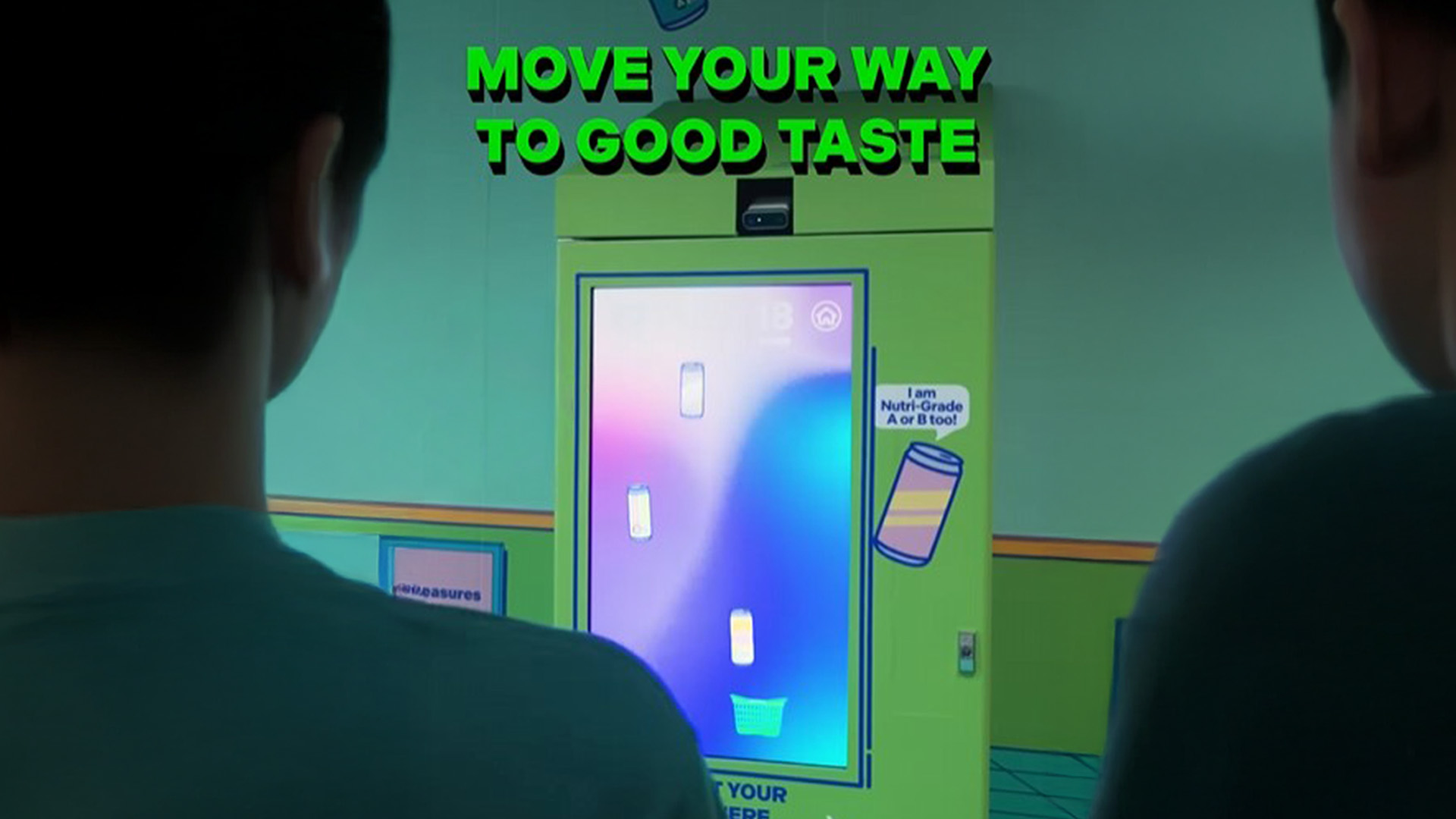
Multisensory Interface Example 1:
Nutrigrade Interactive Vending Machine by HPB, users use body motion to catch falling cans of drinks.
Watch video demo
Multisensory Interface Example 2:
Rain Room by Random International, participants walk through a raining room without getting wet.
Watch video demo
Let's understand some Keywords
I suspect I would lose the reader's understanding at complicated terms like "Congruency of Stimuli" and "Sensorial Principles", so let's establish some key terms so its easier to follow along.
Keyword - Sensorial Principles
Sensorial Principles are guiding concepts that explain how the body interacts with and absorbs sensory experiences. Understanding these principles is crucial for informing effective design interventions within a Multisensory Interface.
Let's look at the principle of Congruency of Stimuli as a example. The principle states two key points as follows.
To summarise, due to our embodied perception of multisensory experiences, different stimuli affect one another. In design, this means individual sensorial interventions must work cohesively to ensure a pleasant user experience.
Reading 1 - Emotional Responses to Multisensory...
Emotional Responses to Multisensory Stimuli is a research article that looks into how humans perceive multi-sensorial experiences and how they influence our cognition and emotional responses. The reading also discusses key sensorial principles, such as Congruency of Stimuli, to underscore the importance of the interconnected nature of multisensory experiences.
Multisensory experiences are not just a sum of its individual sensorial components, but a complicated, interweaved relationship between all the involved sensory stimuli. Each stimuli have the ability to influence each other. A example given from the book discusses how when multiple audio beeps play alongside a single visual flash, it can give the illusion of multiple flashes happening even though there is only one.
Congruency of Stimuli can have a big impact on how we perceive multisensory experiences. When stimuli is congruent (working together harmoniously), it is more likely to encourage positive reception and behavior. In contrast, while incongruent stimuli might be more memorable, it results in more negative feelings towards the experience.
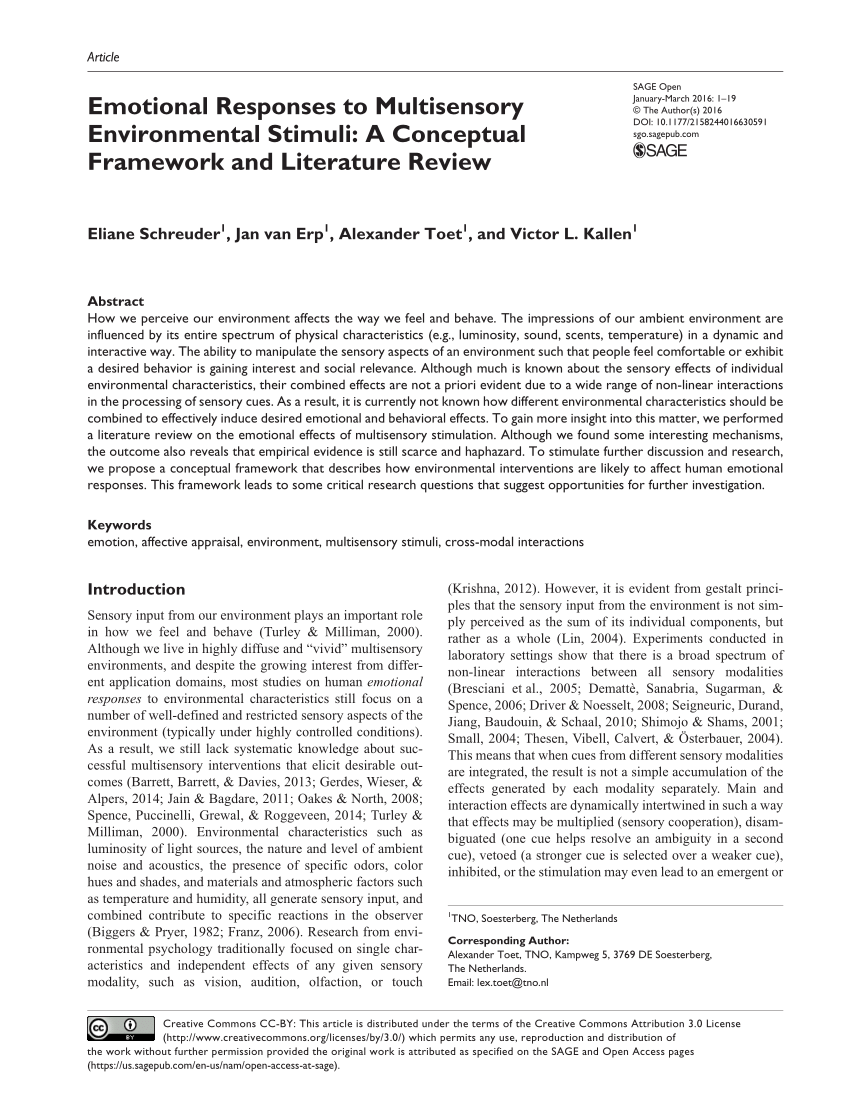
Reading 1: Emotional Responses to Multisensory Stimuli
by Schreuder et al.